New · AI agents for asset, maintenance and retrofit planningRead the whitepaper

Stock condition surveys

From sample surveys
to an annual view.

Every home, every year. Exterior condition backed by image evidence.

Request a trial How it works ↓
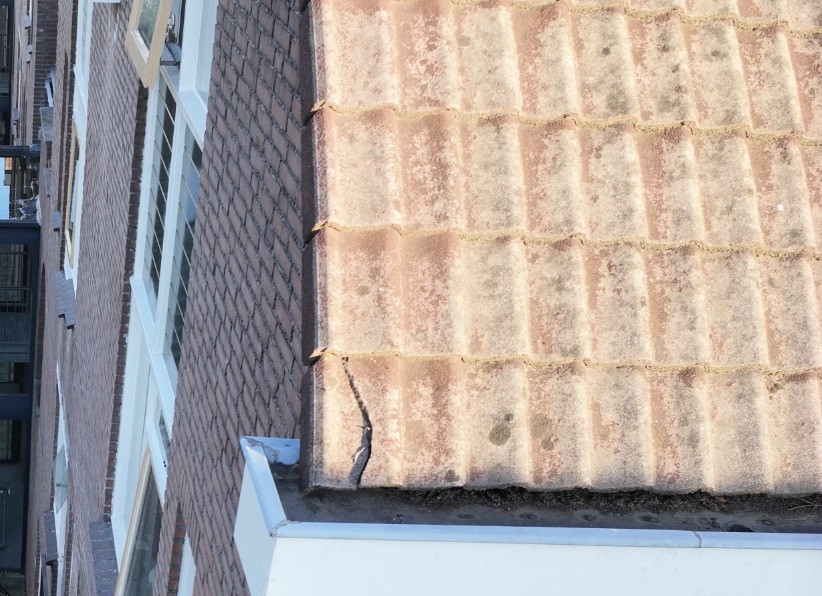
Roof seen from above, with a cracked tile at the gutter
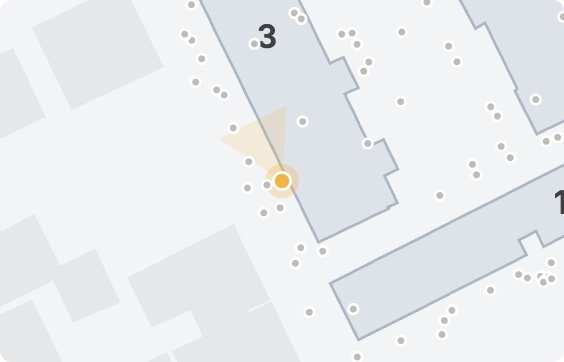
Map showing where the photo of the roof was taken
Property-linked evidence
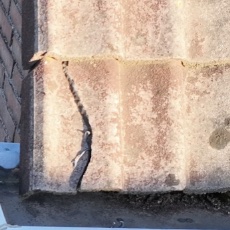
Close-up of the cracked roof tile

Cracked roof tile

Condition 3

Why it matters

Your 30-year plan is only as good as your data.

Since April 2024, the Regulator of Social Housing has required every registered provider to hold an accurate, up-to-date and evidenced understanding of its homes’ condition, and use it to inform investment. This evidence also underpins the 30-year business plan: maintenance costs must reflect the actual state of the stock. The reformed Decent Homes Standard and Awaab’s Law add to the importance of reliable condition data.

A forecast built on a rolling sample is harder to defend. Nearly three-quarters of the regulator’s C3 and C4 judgements have cited the Safety and Quality Standard, mostly over condition data. Annual, image-backed assessment helps close that evidence gap.
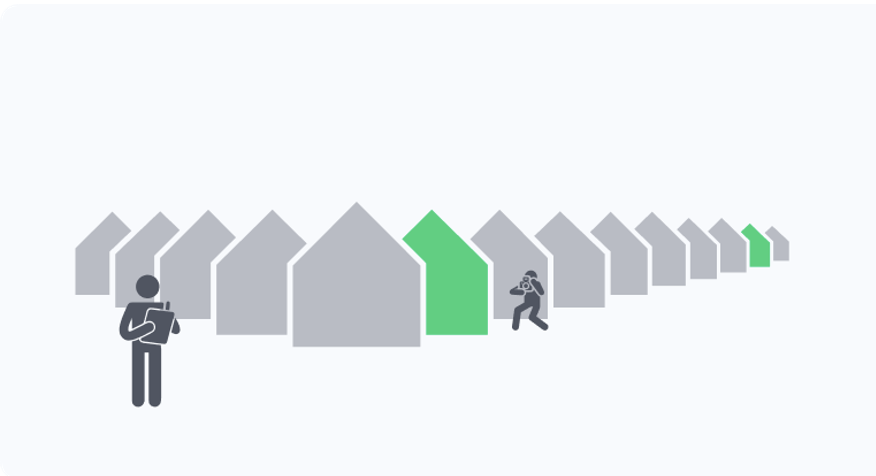

BEFORE · Periodic sample surveys

A surveyor with a clipboard and a photographer visiting a few homes in a long row; most homes are grey, not inspected

20% inspected · 80% extrapolated

five year update cycle

AFTER · Annual whole-stock assessment

Every home in the row is green, assessed from satellite, drone and street imagery, with an analyst reviewing the results

100% analysed. Updated annually.

90% existing data · 10% new capture

The survey explainer

Four ways to survey a property.

The operational case starts with survey savings.The strategic business case is much larger: Better decisions across a €100m+ annual maintenance and sustainability plan.

Fred Jak

MANAGER REAL-ESTATE · DE ALLIANTIE

How it works

How we turn property data into reliable condition scores.

  1. Build the baseline

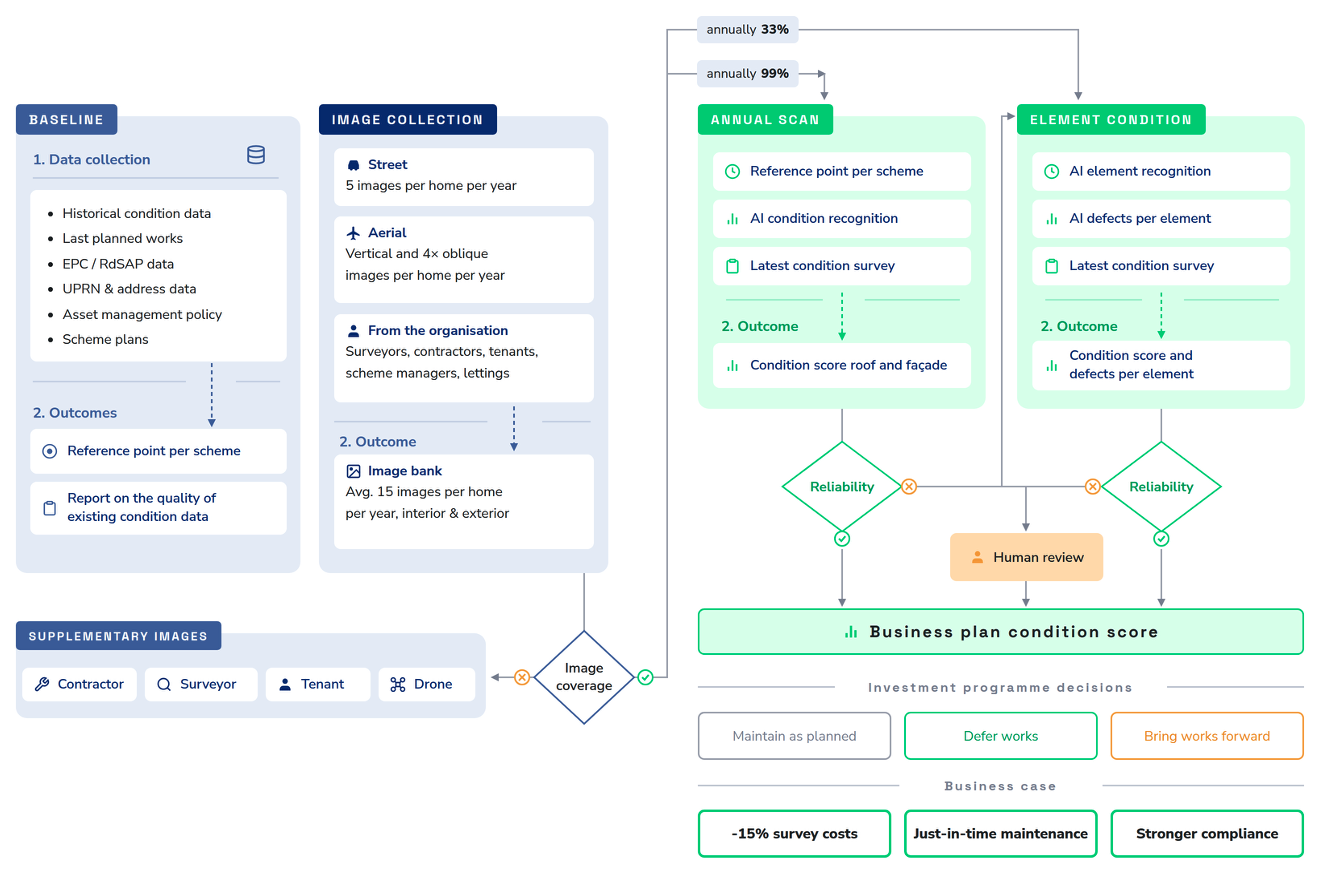
    Spotr starts with what you already know. Existing condition surveys, repairs and maintenance records are combined with available imagery to establish a baseline for every property and identify gaps in the evidence.

  2. Keep it up to date

    Two complementary cycles keep this picture current. An annual AI scan assesses roofs and façades across the entire portfolio, while 20–33% of schemes receive detailed element-level surveys each year. New photographs, inspections and maintenance records continuously enrich the assessments.

  3. Check every finding

    Every finding is linked to its source and checked for reliability. Uncertain results are flagged for human review or further inspection, ensuring condition scores translate into defensible maintenance priorities and investment decisions.

Workflow diagram: baseline data and image collection lead, after an image coverage check, to an annual scan and an element condition assessment. Both are checked for reliability, with human review when uncertain, and combine into a business plan condition score that informs investment decisions: maintain as planned, defer works or bring works forward.
Explore the methodologyHow existing property data, imagery and AI assessments come together to produce reliable condition scores and inform maintenance investment.

Inputs and evidence

1. Baseline

We start with existing condition surveys, completed planned works, repairs history and property records. This establishes a reference point for each scheme without requiring a complete resurvey. We also assess the quality of the existing data, identifying where evidence is outdated, incomplete or missing.

2. Image collection

Street-level and aerial imagery is combined with photographs provided by the organisation. Images from surveyors, contractors and tenants help enrich the evidence. Each image is linked to the relevant property, creating a central image bank that can be reused and updated over time.

3. Supplementary images & image coverage

Before an assessment, we check which buildings and elements have sufficient visual coverage. Where existing imagery is incomplete, additional photographs can be requested from contractors, surveyors, tenants or drones. This ensures gaps in the evidence are identified rather than silently overlooked.

AI assessments

4. Annual scan

Each year, AI reassesses roofs and façades across the portfolio using available imagery, existing condition data and maintenance records. The scan updates condition assessments, identifies potential deterioration and highlights properties that may need closer inspection. This supports annual updates to long-term maintenance forecasts without physically surveying every home.

5. Element condition

Each year, approximately 20–33% of schemes receive a detailed element-level assessment using high-resolution imagery. AI identifies individual building elements and their defects, including issues that cannot reliably be assessed using remote imagery. These findings inform the scope and timing of planned maintenance and can also cover communal areas.

Quality and planning

6. Reliability

Each assessment is checked against the quality and completeness of its supporting evidence. Findings remain linked to their source imagery, location and date. This makes it clear which condition scores are sufficiently substantiated and where uncertainty remains.

7. Human review

When evidence is incomplete or an assessment is uncertain, it is flagged for expert review. A reviewer can validate the finding, request additional imagery or recommend an earlier detailed survey. This provides an additional quality check before uncertain findings influence investment decisions.

8. Business plan condition score

The assessments are brought together into an evidence-backed picture of stock condition, with uncertainty clearly identified. This helps housing associations substantiate lifecycle maintenance costs, update long-term forecasts and keep their 30-year business plans aligned with the condition of their properties.

9. Investment programme decisions

The condition scores inform three possible actions: maintain works as planned, defer works or bring works forward. This helps asset managers focus investment where it is needed most, avoid unnecessary interventions and explain the evidence behind their decisions.

Workflow diagram: baseline data and image collection lead, after an image coverage check, to an annual scan and an element condition assessment. Both are checked for reliability, with human review when uncertain, and combine into a business plan condition score that informs investment decisions: maintain as planned, defer works or bring works forward.

The business case

Spend less on surveys. Invest better in your homes.

Keep your understanding of stock condition up to date without repeatedly surveying every property. Use reliable evidence to focus inspections and maintenance budgets where they deliver the greatest value.

Illustrative scenario estimates, not guaranteed savings. Actual results depend on portfolio characteristics and existing costs.

How are these savings calculated?

Inspection costs

An illustrative 15% reduction from automated assessments and fewer unnecessary physical visits. The actual saving depends on the housing provider’s survey costs and operating model.

Maintenance costs

A scenario where painting represents 45% of planned maintenance expenditure and the average painting cycle extends from 7 to 7.5 years, resulting in approximately 3% lower total planned maintenance expenditure, all else equal.

Regulatory assurance

Evidence behind every investment decision.

Regulators expect housing providers to understand the condition of their homes and demonstrate how that evidence informs investment. Spotr makes condition data more current, consistent and traceable.

What mattersPeriodic surveysWith Spotr
Is the data current?Condition records updated on a multi-year cycleAnnual reassessment across the portfolio
Can it be verified?Supporting evidence can be difficult to traceDated, property-linked imagery behind assessments
Can decisions be explained?Investment plans rely partly on extrapolated condition dataCondition scores linked to evidence and maintenance priorities

Trusted by housing providers

Stonewater

Making better use of property data across 40,000 homes.

Stonewater is working with Spotr to turn existing property imagery into actionable condition intelligence. By identifying where evidence is already available and where further surveys are needed, Stonewater can focus its survey effort and make more informed maintenance decisions.

See what Spotr already knows about your homes.

Start with a sample assessment using available property imagery. Discover what can be assessed remotely, where evidence is missing and where closer inspection could add value.

Request a trial

Leave your email to see more